














English
Can a laser length meter only measure length?
In fact, speed and length measurement are only the basic functions of a laser length meter.
Across different industries, laser length meters can also work together with various production machines to enable more convenient functions and intelligent control.
Today, they are widely used on continuous production lines for films, paper, cables, steel, foam, tubing and other materials, helping manufacturers move toward smarter and more automated production.
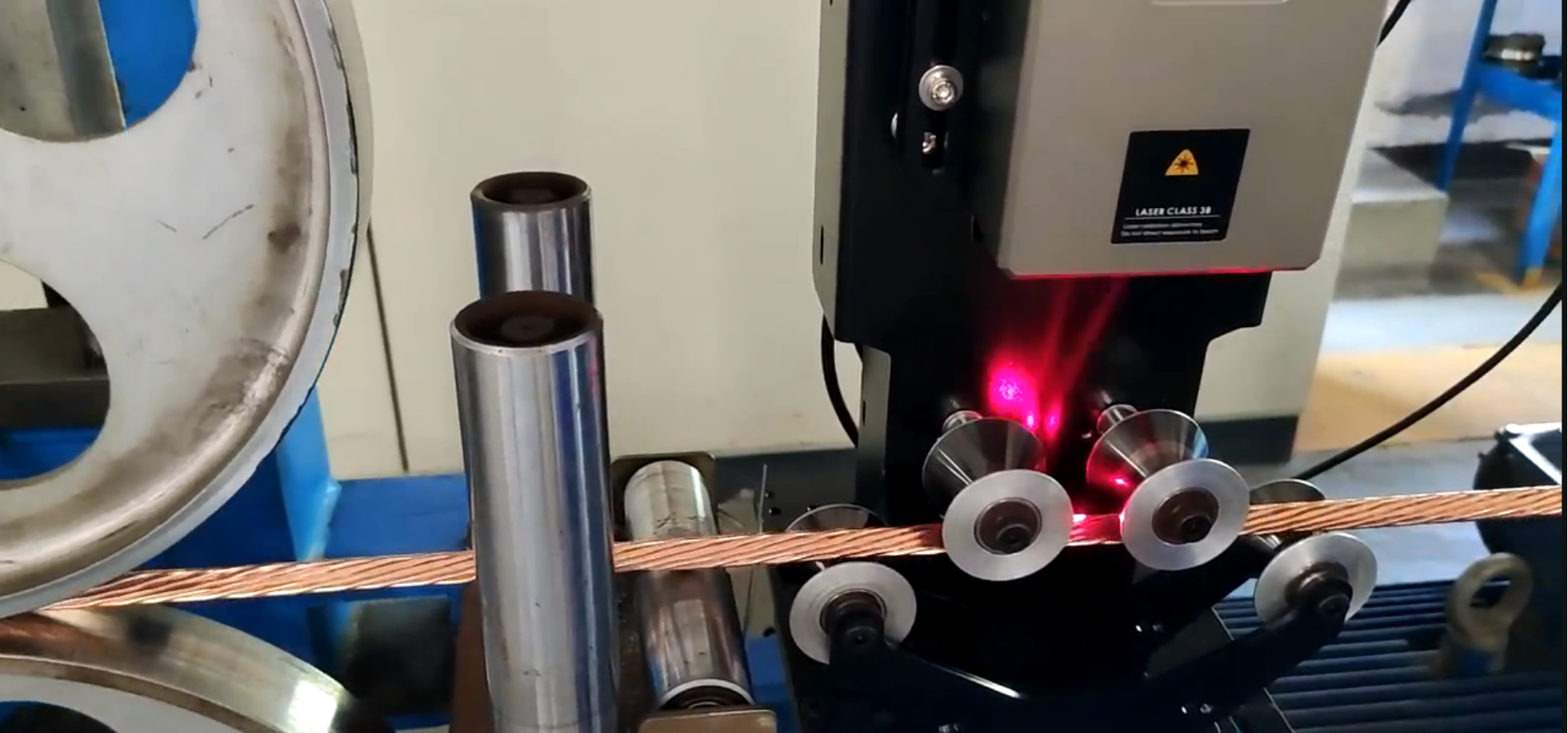 alt="DALA DLS Laser Length and Speed Meter Applications"
style="max-width:100%;height:auto;" />
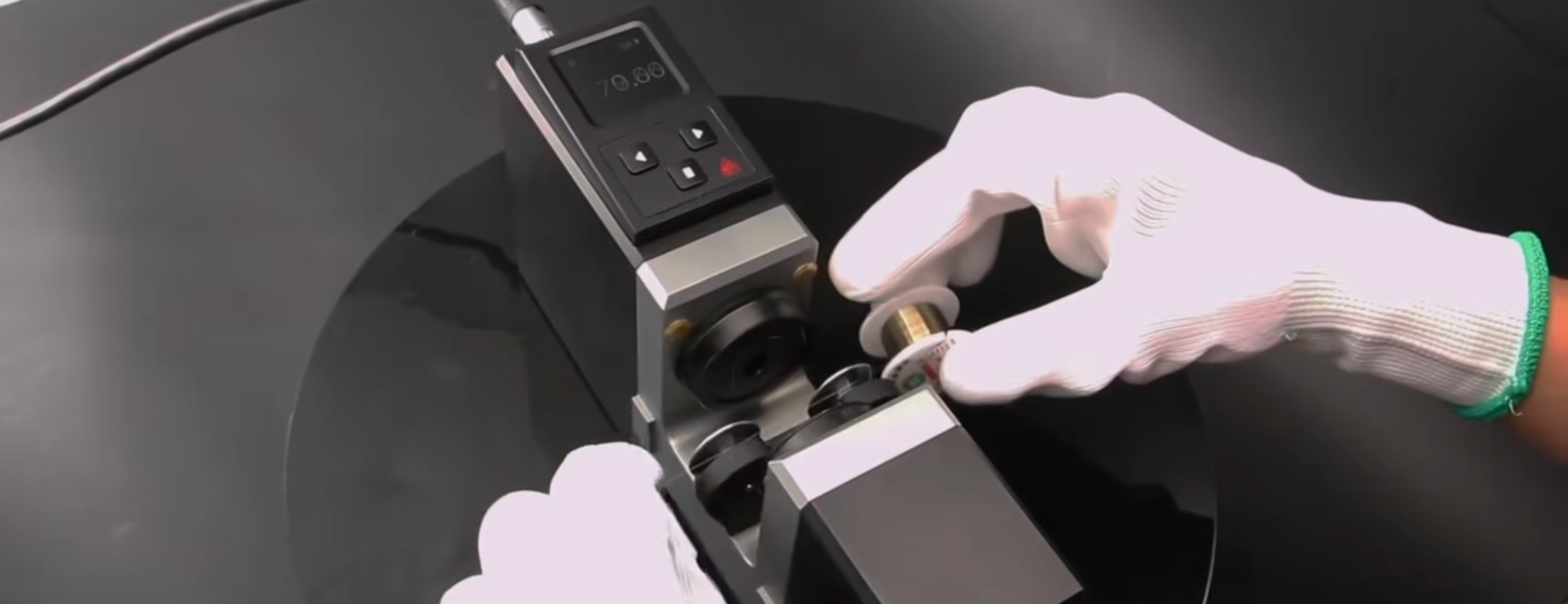
The DALA DLS Series laser length & speed meter is based on laser Doppler measurement technology.
As one of the basic functions of a laser length meter, the DLS Series measures the real-time running speed of a moving material on the production line and can display both instantaneous speed and average speed.
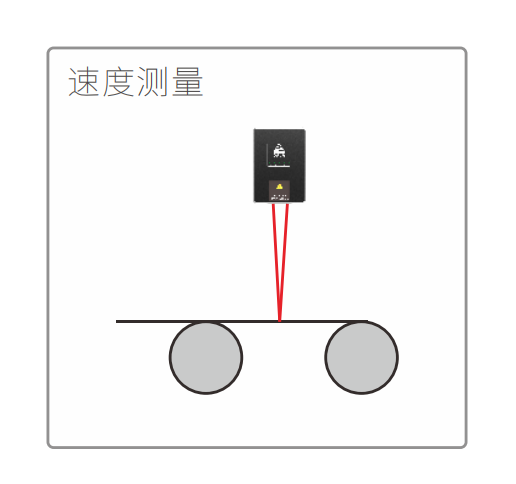 alt="DLS Speed Measurement"
style="max-width:100%;height:auto;" />
Principle: Based on the laser Doppler effect, the system analyzes changes in the frequency of laser light reflected or scattered by the moving object.
Typical applications:
Simultaneous measurement of speed and length is one of the core combined functions of a laser length meter.
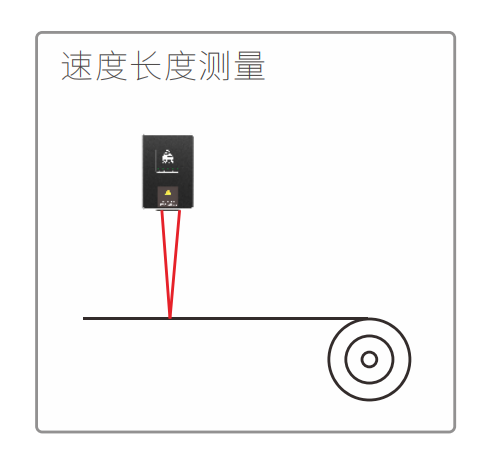 alt="Speed and Length Measurement"
style="max-width:100%;height:auto;" />
In production processes involving multiple machines, speed synchronization keeps the operating speeds of different machines consistent, helping prevent materials from being stretched or compressed.
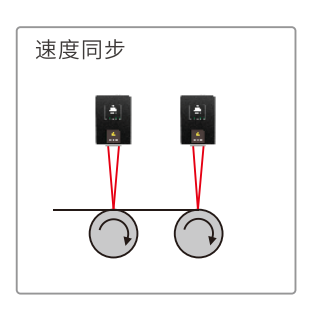 alt="Speed Synchronization Control"
style="max-width:100%;height:auto;" />
Principle: The laser length meter monitors machine speeds in real time. The control system then adjusts motor speeds to keep different production units synchronized.
Typical applications:
For processes driven by multiple machines, different units may operate at different speeds while maintaining a defined speed relationship. This is commonly used in processes requiring controlled stretching or compression of materials.
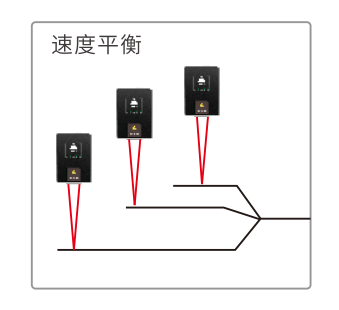 alt="Speed Balancing"
style="max-width:100%;height:auto;" />
Difference from speed synchronization:
synchronization focuses on keeping speeds identical, while balancing focuses on maintaining the speed difference within a defined range.
Typical applications:
By comparing the inlet and outlet speeds of a process, the system can calculate material elongation for quality monitoring and process control.
The key is to determine the difference between the actual and theoretical movement rates.
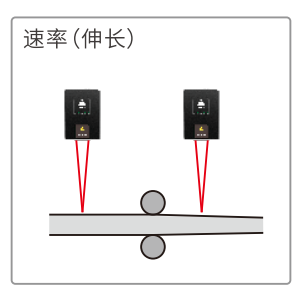 alt="Elongation Measurement"
style="max-width:100%;height:auto;" />
Typical applications:
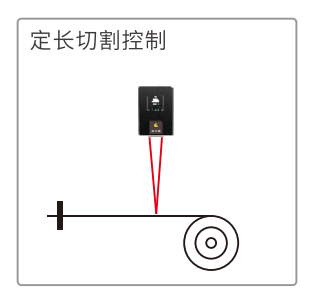
A target length can be preset in the system. Once the laser length meter detects that the material has reached the specified length, it automatically sends a trigger signal to the cutting equipment for fixed-length cutting.
 alt="Fixed-Length Cutting Control"
style="max-width:100%;height:auto;" />
Advantage: Higher accuracy than manual cutting and suitable for high-speed production lines.
Typical applications:
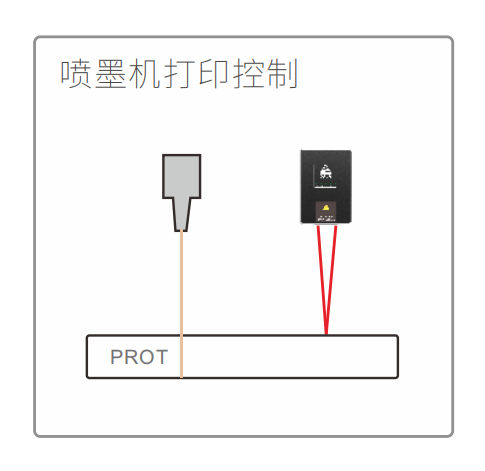
The DLS can work with an inkjet printer and trigger printing at preset length intervals, ensuring accurate placement of information such as batch numbers, dates, QR codes and meter marks.
 alt="Inkjet Printing Control"
style="max-width:100%;height:auto;" />
Principle: The laser length meter continuously monitors material travel length. When the accumulated length reaches the preset printing interval, for example every 50 cm, it sends a trigger signal to the inkjet printer.
Advantage: Helps prevent spacing errors caused by fluctuations in production-line speed.
Typical applications:
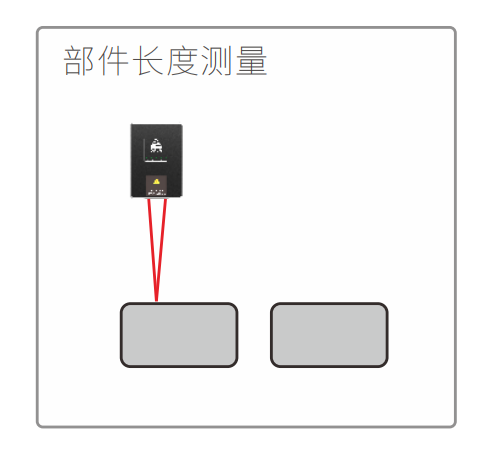
For discrete individual parts, the DLS can measure the physical length of each component for quality inspection or sorting.
 alt="Component Length Measurement"
style="max-width:100%;height:auto;" />
Typical applications:
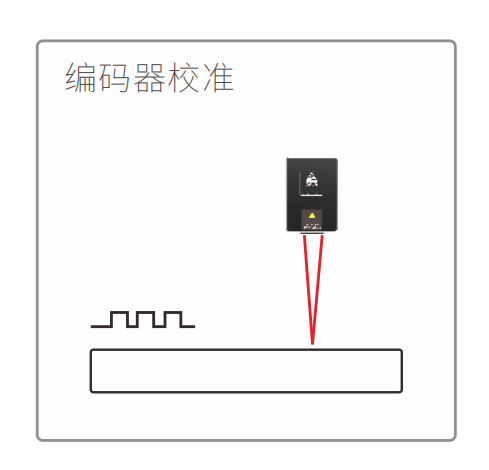
A laser length meter can serve as a reference for correcting measurement errors in mechanical encoders.
 alt="Encoder Calibration"
style="max-width:100%;height:auto;" />
Principle: Mechanical encoders measure through physical contact and may be affected by slippage.
The DLS uses non-contact laser measurement. By comparing measurement results from both systems, the encoder error coefficient can be calculated and its parameters calibrated.
Typical applications:
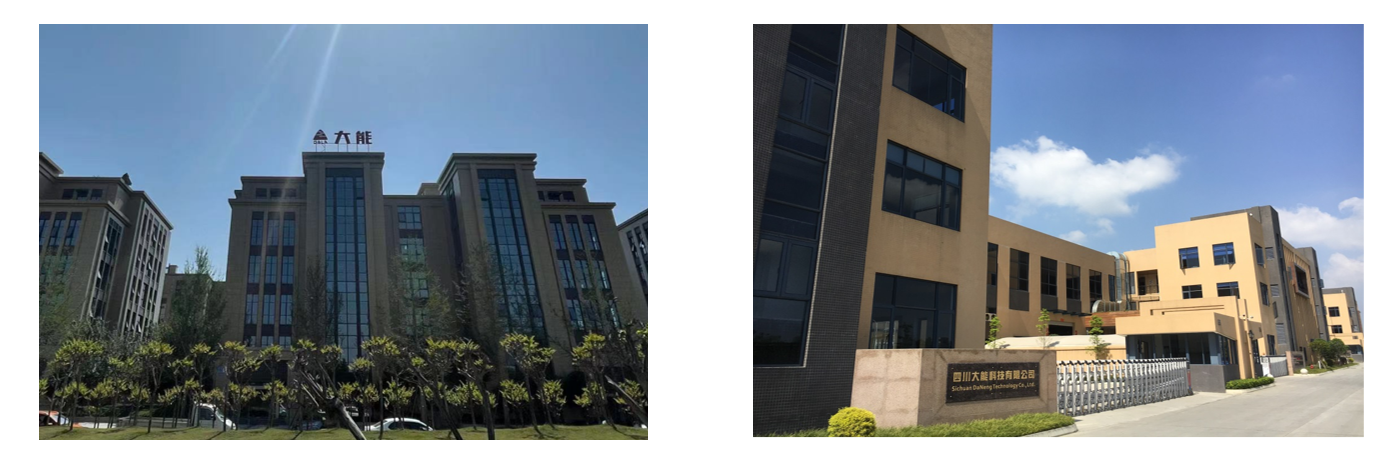
Since its establishment in 2012, DALA has focused on high-precision measurement technology.
The company has accumulated measurement experience across film, paper, wire and cable, steel manufacturing, tubes and rods, wood processing and other industries, developing solutions for different materials, speeds and production environments.
 alt="DALA Industry Applications"
style="max-width:100%;height:auto;" />
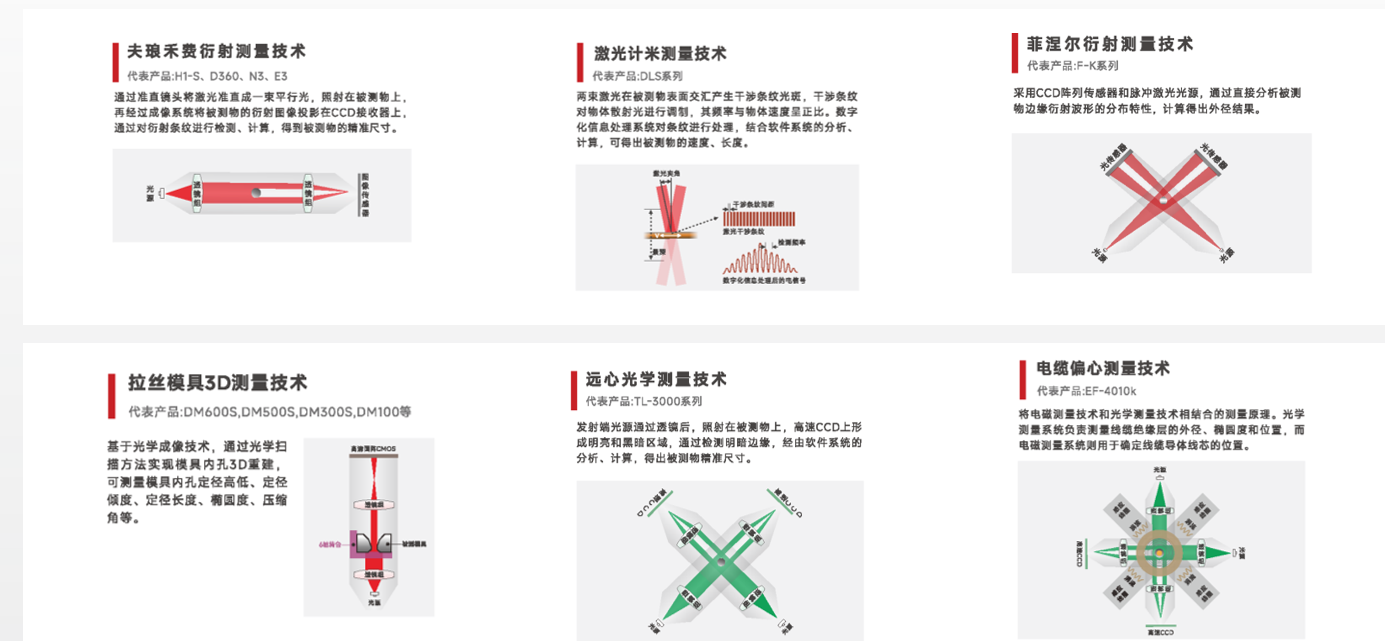
Supported by continuous R&D investment, DALA has developed six core measurement technologies, including Fraunhofer diffraction, Fresnel diffraction, laser length and speed measurement, and telecentric optical measurement.
The DLS Series uses advanced laser Doppler measurement technology together with DALA-developed optical structures and signal-processing algorithms, providing high stability, fast response and strong resistance to interference.
 alt="DALA Core Measurement Technologies"
style="max-width:100%;height:auto;" />
Fraunhofer Diffraction Measurement Technology:
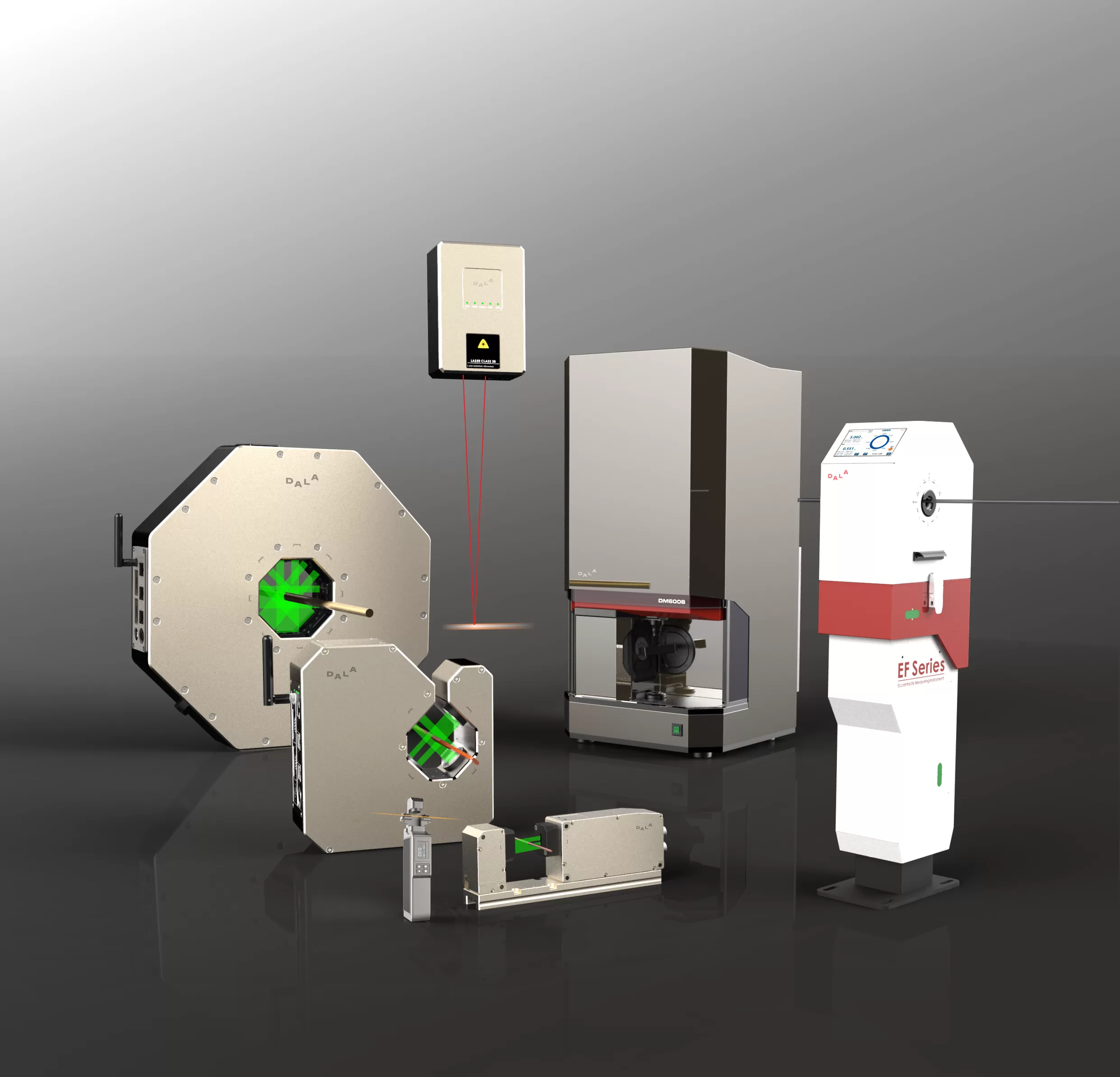
Representative products include H1-S, D360, N3 and E3. A collimating lens converts the laser into a parallel beam. After interacting with the measured object, its diffraction pattern is projected onto a CCD receiver. The system analyzes the diffraction fringes to calculate the precise dimension of the object.
3D Wire Drawing Die Measurement Technology:
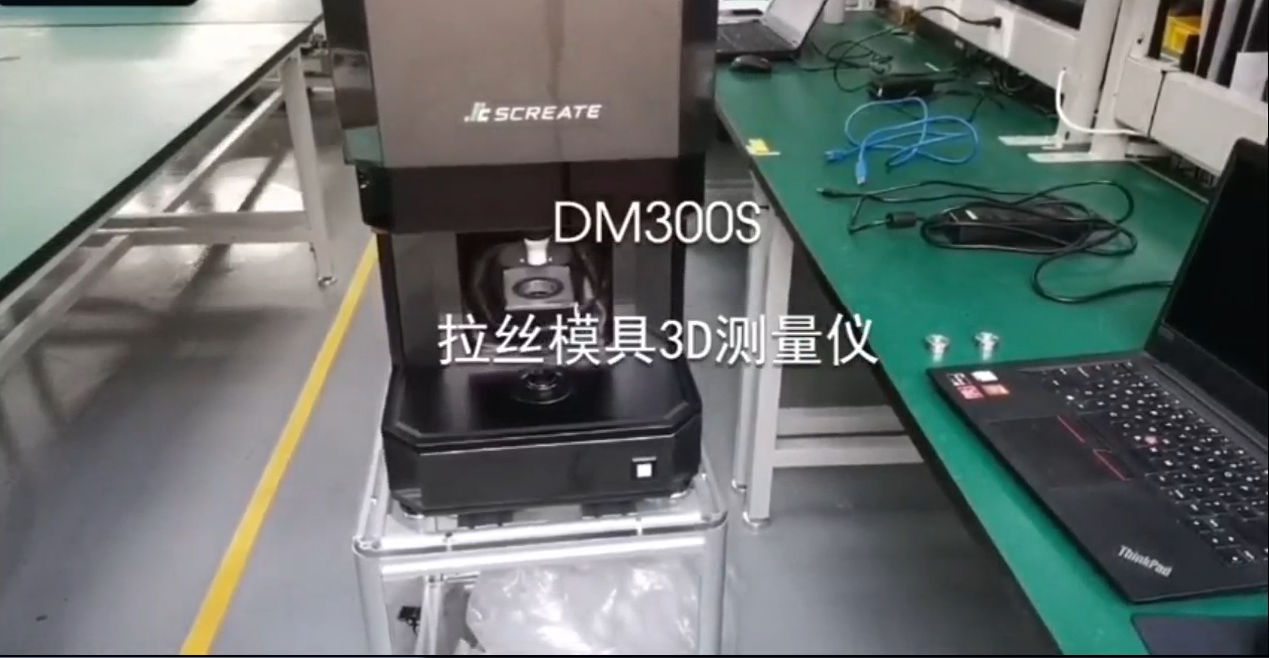
Representative products include DM600S, DM500S, DM300S and DM100. Based on optical imaging and scanning technology, the system performs 3D reconstruction of die bores and measures bearing position, bearing inclination, bearing length, ovality, reduction angle and other parameters.
Laser Length & Speed Measurement Technology:
Represented by the DLS Series. Two laser beams intersect on the material surface to create interference fringes. The scattered light is modulated by these fringes, and its frequency is proportional to material speed. Digital signal processing and software calculations then determine material speed and length.
Telecentric Optical Measurement Technology:
Representative products include the TL-3000 Series. Light from the transmitter passes through the optical system and illuminates the measured object, producing bright and dark regions on a high-speed CCD. The software detects the edges and calculates the object's precise dimensions.
Fresnel Diffraction Measurement Technology:
Representative products include the F-K Series.
The DLS Series requires no calibration and provides measurement accuracy of up to
±0.05% with repeatability of ±0.02%.
It is designed for stable operation under challenging conditions including high temperatures up to
180°C, low temperatures, strong vibration, smooth surfaces, transparent materials and highly reflective materials, helping ensure reliable production data.
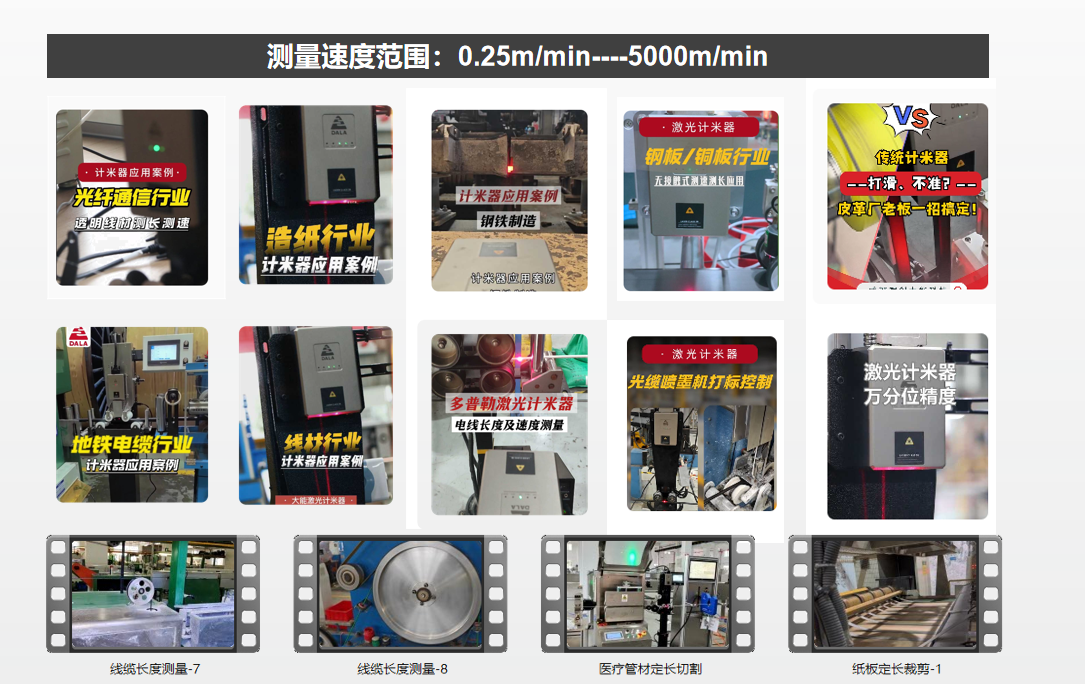
DALA laser length and speed meters have been deployed by hundreds of manufacturing companies across a wide range of industrial automation applications, including fixed-length cutting, speed synchronization, inkjet marking control, elongation measurement and encoder calibration.
 alt="DALA Laser Length Meter Applications"
style="max-width:100%;height:auto;" />
Measurement Speed Range: 0.25–5000 m/min
Typical Applications:
Looking for a high-precision, non-contact laser length & speed measurement solution?
Contact DALA Metrology for more information.
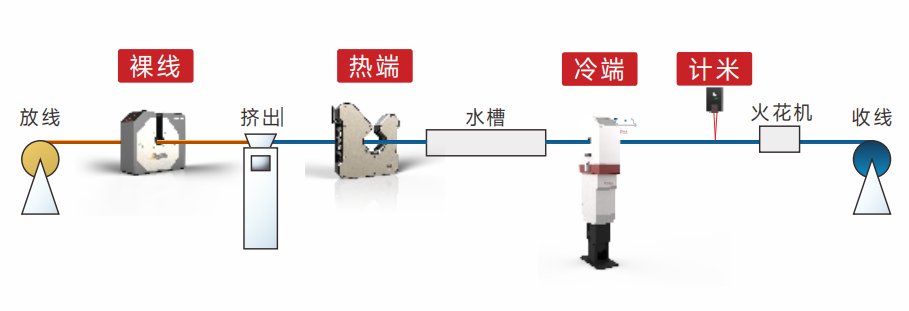
Provides end-to-end support from product selection to production line operation through on-site guidance and after-sales technical support.